
Key Takeaways
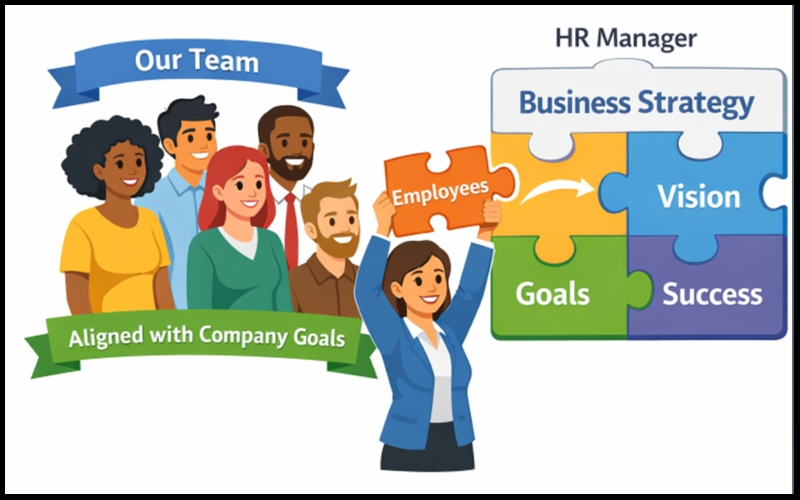
- Strategic HR management aligns human capital with business objectives to drive organizational success.
- Embracing AI and technology enhances HR functions and employee experiences.
- Fostering a culture of continuous learning and development is essential for employee engagement.
- Proactive HR strategies anticipate and adapt to workforce trends and challenges.
Introduction
Forward-thinking organizations are increasingly aware that sustained competitiveness hinges on the effectiveness of their workforce. Employees are not just resources; they are catalysts for innovation and productivity. For businesses aiming to thrive in a rapidly changing environment, human resource management strategies provide the foundation for unlocking employee potential and aligning individual contributions with overarching business goals.
Strategic HR management is no longer limited to traditional administrative responsibilities. It requires a holistic view that connects people’s practices to company objectives. In doing so, organizations can cultivate a resilient culture that supports adaptability, creativity, and sustained performance. By embedding HR strategy within the core of business planning, companies gain an edge in attracting, retaining, and developing top talent.
Aligning Human Capital with Business Objectives
True alignment between human capital and business objectives involves more than matching people to jobs. It requires careful assessment of organizational needs and future direction. HR leaders must identify critical skillsets that will drive the business forward and develop recruitment and talent management systems tailored to these needs. Whether it is shaping leadership pipelines or creating competency frameworks, effective alignment ensures that employees’ growth directly benefits the company’s mission and long-term vision.
When HR strategies reflect the evolving requirements of the business, organizations are better positioned to navigate changes in the competitive landscape. Developing clear internal career pathways and succession plans ensures teams have the talent needed for sustainable growth and innovation.
Digital transformation is radically reshaping HR practices. Artificial Intelligence (AI), machine learning, and workflow automation now allow HR departments to move beyond manual processes. Modern systems automate time-consuming tasks such as benefits administration, leave management, and payroll. Furthermore, AI analytics uncover patterns from vast amounts of employee data, enabling evidence-based decision-making.
According to a study from Graebel Companies, over half of executives have already implemented AI in their global HR processes, with another substantial portion planning to follow suit. This widespread adoption yields time savings, reduces errors, and increases focus on high-impact strategic work. As technology continues to evolve, HR professionals must stay current to fully leverage the enhancements that digital solutions offer.
Fostering a Culture of Continuous Learning
A dynamic workforce is one that never stops learning. Encouraging continuous learning is not only about upskilling but also about empowering employees to adapt quickly to changing roles and industry needs. Personalized learning programs, robust feedback systems, and leadership development pathways help individuals take control of their professional advancement. The result is higher job satisfaction, improved retention, and stronger alignment between employee aspirations and business objectives.
As cited in a recent Deloitte report, companies that prioritize talent development find themselves in a stronger competitive position. These organizations are agile, able to adapt to new challenges, and retain employees who are engaged and motivated by ongoing growth opportunities.
In addition, mentorship and cross-functional training initiatives can be highly effective in enhancing organizational knowledge and building bridges between departments. Such practices strengthen relationships, foster innovative thinking, and enable employees to gain exposure to diverse skills. Moreover, learning is further accelerated when organizations recognize small achievements, encourage knowledge sharing, and empower employees to lead training sessions or participate in industry conferences. As technology continues to accelerate the emergence of new skills as essential, the organizations that respond proactively will be best equipped to navigate disruption and seize market opportunities.
Proactive HR Strategies for Workforce Trends
The future of HR depends on its ability to predict and prepare for changes in the labor market. Proactive HR strategies start with understanding talent trends and anticipating emerging challenges. This includes tracking skills shortages, monitoring changing employee expectations, and supporting diversity, equity, and inclusion goals. Innovative HR teams leverage workforce analytics, conduct skills-gap analyses, and implement change management initiatives to drive sustainable action.
Addressing workforce trends also means responding to phenomena such as ‘quiet quitting’ and the demand for environmentally and socially responsible business practices. HR’s proactive efforts to address these areas build organizational resilience, promote well-being, and align with stakeholder expectations for modern, socially conscious practices.
Creating a High-Performance Culture
Building and maintaining a high-performance culture is an ongoing journey that requires clear values, strong communication, and comprehensive performance management systems. Organizations must go beyond setting basic benchmarks to create an environment where accountability, inclusivity, and purpose drive behavior. Purpose-driven companies are more attractive to top talent and enjoy greater employee engagement and loyalty.
High-performance cultures empower employees to take ownership of their work, collaborate effectively, and contribute meaningfully to the organization’s success. When individuals see the impact of their efforts on business outcomes, they are more likely to remain motivated and committed.
It is vital for leaders and managers to consistently reinforce the behaviors and mindsets that shape a high-performance culture. This can be done through regular recognition, open communication channels, and by providing opportunities for peer-to-peer feedback. Additionally, cultivating psychological safety so employees can voice concerns and share new ideas without fear drives both performance and innovation. Over time, this deliberate focus on culture builds an environment where individuals feel respected, energized, and inspired to do their best work.
Leveraging Data-Driven Decision Making
Modern HR relies heavily on data analytics to support every aspect of people management. By collecting and analyzing insights on employee engagement, retention, productivity, and satisfaction, HR leaders can develop targeted strategies to address areas of concern and build upon strengths. For example, predictive analytics help spot early indicators of turnover or identify teams that would benefit from leadership coaching.
Incorporating data into HR processes ensures that decision-making is objective and aligned with business goals. Tapping into analytics also enhances transparency, offers real-time feedback, and supports the creation of personalized experiences for employees.
Conclusion
Strategic HR management is the backbone of organizations that aim to harness employee talent and secure long-term success. By closely aligning HR initiatives with business strategy, adopting digital innovations, supporting ongoing learning, and employing proactive, data-driven approaches, HR leaders can create an environment where both employees and organizations thrive amid modern challenges.
Ultimately, the organizations that invest in evolving their HR strategies will remain resilient and competitive in the future of work. By nurturing employee skills, fostering engagement, and making smart use of available technology, companies can adapt to the constant flux of the business landscape. Continuous improvement in HR doesn’t just help employees succeed it gives companies the tools and agility to sustain growth, weather change, and achieve lasting success.
For more information and suggestions, please contact us.

Jack Ayzal is the lead editor of Trending Magazine. He focuses on practical home improvement, real-estate decisions, and local service guidance. For the past eight years he has researched contractor practices, spoken with homeowners and tradespeople, and tracked how local rules and market conditions affect everyday projects. His aim is to give readers clear, usable information they can act on without sales pressure.