
Key Takeaways
- Soft and gentle brushing is more effective and safer than brushing hard.
- White teeth do not always indicate healthy teeth or gums.
- Flossing daily is essential for thorough cleaning between teeth.
- Diet sodas, despite lacking sugar, are acidic and can harm teeth.
- Routine dental check-ups catch problems early before they escalate.
Maintaining optimal oral health is crucial for your overall well-being, but many common misconceptions can derail your efforts. Misinformation about cleaning practices, diet, and dental visits may do more harm than good. By dispelling these stubborn myths, you can better protect your teeth and gums while making informed decisions about your dental care. If you’re considering advanced tooth restoration options, the best dental implants AZ may be the long-term solution you need. Whether your priority is a radiant smile or the preservation of your natural teeth, knowing the truth matters.
Understanding the facts behind dental health can prevent you from facing serious (and often avoidable) oral problems down the line. Gentle daily care and informed choices are the foundation of lasting dental wellness. While bright, white teeth and fresh breath matter to many, the importance of professional dental guidance should never be underestimated. Now, let’s dive into the facts that will help keep your smile bright and your mouth healthy.
Myth 1: Brushing Harder Means Cleaner Teeth
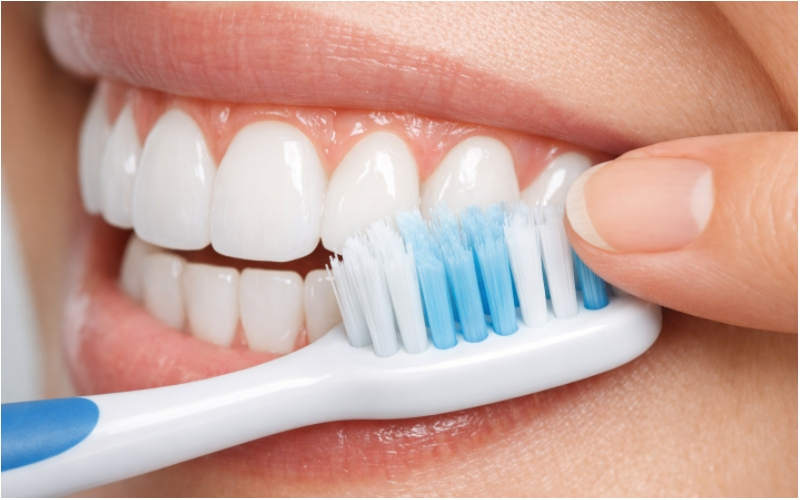
It’s a common belief that scrubbing teeth vigorously removes more plaque and debris. In reality, brushing too hard is counterproductive. This practice can erode protective enamel and irritate gum tissue, resulting in increased tooth sensitivity, receding gums, and even damage that leads to cavities. Soft-bristled toothbrushes and gentle, circular motions are recommended for effective cleaning that preserves your enamel and gum health.
Often, people underestimate the importance of brushing duration and consistency over intensity. Experts recommend brushing for at least two minutes, twice per day, paying close attention to every surface of your teeth. Make sure to replace your toothbrush every three to four months, or sooner if bristles become frayed. This ensures that your brushing technique remains effective and gentle. The technique you use for brushing is as important as the frequency, so educating yourself on the best practices pays off for your long-term oral health.
Myth 2: White Teeth Equal Healthy Teeth
White teeth may look great, but they do not necessarily mean that your teeth are healthy. Many serious dental issues, such as cavities, gum disease, or enamel loss, can exist even if teeth appear bright. Factors like genetics, diet, and the use of certain medications impact tooth color. Only a dental professional can accurately evaluate the health of your teeth and gums, so regular dental visits are vital for long-term oral wellness.
In fact, certain lifestyle choices, such as drinking coffee, tea, or red wine, as well as smoking, can discolor teeth even if your oral health is otherwise excellent. Conversely, some dental treatments or over-the-counter whitening products may temporarily mask underlying problems. Instead of focusing solely on appearance, aim to cultivate healthy habits that promote strong gums and cavity-free teeth. Professional examinations remain the most reliable way to confirm if your teeth and gums are truly healthy.
Myth 3: Flossing Is Optional
Skipping flossing is a mistake that can have lasting consequences. While toothbrushes do a good job cleaning most surfaces, they simply cannot reach the tight spaces between teeth. Flossing removes trapped food particles and plaque that cause cavities and gum inflammation. Incorporating daily flossing into your routine is fundamental for comprehensive oral hygiene.
Regular flossing also helps prevent tartar buildup, which can only be removed by a dental professional once hardened. For those who struggle with traditional string floss, alternatives such as water flossers and interdental brushes make it easier to maintain a consistent routine. If you notice bleeding when flossing, do not ignore it. This is a sign of gum inflammation and an opportunity to improve your oral hygiene habits before more serious problems develop.
Myth 4: Diet Sodas Cannot Harm Your Teeth
Diet sodas may seem like a safer alternative to sugary drinks, but their high acid content wears away enamel. Frequent consumption increases the risk of sensitivity, discoloration, and cavities, even without sugar. Water is the best choice for hydration and long-term oral health. Limiting all acidic drinks is key to keeping your teeth strong and healthy.
It’s important to remember that even flavored or sparkling waters can sometimes contain acids that erode enamel over time. Rinsing your mouth with water after consuming these drinks or using a straw can help minimize contact with your teeth. Staying mindful of what you drink is a simple but powerful way to strengthen your defenses against erosion and decay.
Myth 5: Dental Visits Are Only Necessary When There Is a Problem
Many people postpone dental care until they feel pain or notice obvious problems. This approach results in a higher risk of severe dental disease and more expensive, invasive treatments. Regular cleanings and check-ups let dentists detect and address concerns such as early cavities, gum disease, or oral cancer before they progress. Preventive care not only saves money but also preserves your health in the long run.
Dental professionals not only provide essential cleaning but also monitor changes in your oral health, helping you adjust your home care as needed. Early detection of small issues, like tiny cavities or mild gum disease, makes treatment simpler and more affordable. Committing to routine checkups supports oral and overall health, reduces anxiety about dental visits, and helps build a trusting relationship with your dentist.
Myth 6: Sugar Is the Only Cause of Cavities
It’s true that sugar accelerates tooth decay, but any starchy carbohydrate (like bread, crackers, or rice) can feed oral bacteria. As the bacteria consume these foods, they create acids that damage enamel. Practicing good oral hygiene and moderating your intake of all carbohydrates helps minimize the risk of cavities. A balanced diet that limits frequent snacking is key to healthy, cavity-free teeth.
Snacking frequently throughout the day extends the amount of time your teeth are exposed to acid attacks. Opting for tooth-friendly snacks, such as cheese, nuts, and crunchy vegetables, supports salivary flow and helps neutralize acids. Being aware of hidden sugars and starches in processed foods can make a big difference in protecting your enamel from the daily onslaught of decay-causing bacteria.
Myth 7: Dental X-Rays Are Dangerous
Concerns about dental X-rays and radiation exposure are common, but modern X-ray technology emits very low radiation levels. Dental professionals use shields and digital equipment to keep exposure minimal. X-rays are invaluable for detecting hidden problems like cavities between teeth, bone loss, and abscesses, allowing for effective treatment planning and better outcomes.
The minimal risks of dental X-rays are far outweighed by their diagnostic benefits. Parents may worry about children’s exposure, but with proper safety measures, X-rays are safe for patients of all ages. Your dentist will only recommend X-rays when necessary, ensuring that you get the care you need without unnecessary exposure.
Myth 8: All Teeth Whitening Damages Enamel
Professional tooth whitening, when performed based on dental guidance, is safe and does not inherently harm enamel. Problems occur when over-the-counter or excessive whitening is attempted without expert advice, potentially causing sensitivity or enamel weakening. Always consult your dentist before starting any whitening procedures, and follow their recommendations closely to avoid damage.
Many whitening products are designed with safety in mind, but the strength and frequency of use determine your individual risk. Your dental team can recommend the most effective and least abrasive whitening solutions tailored to your unique needs, achieving a brighter smile without jeopardizing your oral health. Remember, maintaining good daily habits after whitening helps your results last longer, reducing the need to re-treat frequently.
Understanding the true facts about dental health puts you in control of your smile. Prioritizing regular check-ups, daily flossing, gentle brushing, and informed food and beverage choices are proven ways to preserve your oral health for life.
When you are proactive and stay educated on oral health topics, you’re less likely to fall for unhelpful myths or ineffective trends. Taking a preventive, well-rounded approach to dental care ensures not just a beautiful smile, but a healthier, more confident you. Consistency, awareness, and a relationship with a trustworthy dental professional make all the difference in enjoying a healthy mouth across your lifetime.

Jack Ayzal is the lead editor of Trending Magazine. He focuses on practical home improvement, real-estate decisions, and local service guidance. For the past eight years he has researched contractor practices, spoken with homeowners and tradespeople, and tracked how local rules and market conditions affect everyday projects. His aim is to give readers clear, usable information they can act on without sales pressure.