
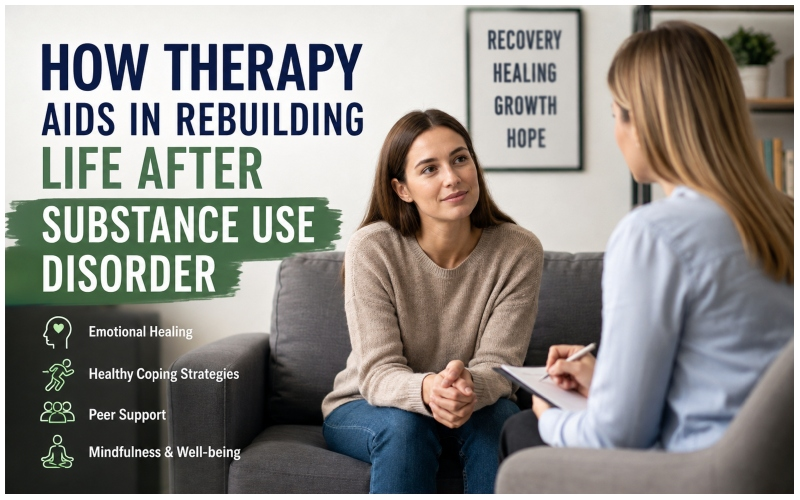
Key Takeaways
- Therapy provides essential tools for emotional regulation and coping strategies post-SUD.
- Incorporating physical activities like jogging can enhance recovery outcomes.
- Peer support and community engagement are crucial for sustained sobriety.
Overcoming a substance use disorder (SUD) is a monumental achievement, but real recovery is ongoing. Therapy is central to this process, equipping people with the resilience, skills, and self-understanding necessary for lasting change. For many, incorporating a blend of therapeutic practices, such as MAT therapy, becomes an essential part of moving forward and restoring well-being. These aspects work collectively to foster not only sobriety but also emotional health and a sense of purpose. Therapy does more than address addiction; it empowers individuals to tackle the root causes of their substance use. The journey is deeply personal and varies from one person to the next, requiring a tailored approach that addresses both mind and body. As renewed strength emerges through counseling and community support, individuals find renewed hope and motivation for the future.
The Role of Therapy in Emotional Healing
One of the main objectives of therapy after SUD is to create a supportive environment for emotional healing. Counseling, especially cognitive-behavioral therapy (CBT), encourages people to explore their thoughts and feelings, uncovering triggers that might have contributed to substance use. With guidance, they learn to reshape negative thinking and develop new coping mechanisms, crucial for preventing relapse and managing life’s inevitable challenges. Therapy sessions may also incorporate art therapy or narrative therapy, which encourage individuals to express emotions and experiences that are difficult to verbalize. These creative outlets offer alternative pathways to healing and are particularly helpful for those who may struggle to articulate their feelings directly. Over time, such practices can boost self-esteem and help individuals rediscover their identity beyond substance use, laying a crucial foundation for sustained recovery.
Physical Activity as a Therapeutic Tool
Integrating physical activity into recovery plans has been shown to improve both physical and mental health outcomes for those overcoming SUD. Activities such as jogging, swimming, yoga, or weight training serve as healthy outlets for stress and anxiety, while also enhancing mood. In addition to these benefits, group exercise classes or team sports can also foster a sense of camaraderie and build social skills. The physical achievements realized through structured exercise often mirror mental achievements in therapy; each small goal accomplished in physical activity reinforces the belief that positive change is attainable. These dual wins can significantly deepen a person’s investment in their own recovery journey.
Peer Support: Strength in Shared Experiences
Recovery is seldom a solitary effort. Engaging with peer recovery specialists and support groups connects individuals with others who share similar experiences. This network of encouragement helps to combat isolation, offers practical advice from those who have succeeded in their own recovery journeys, and provides a critical sense of belonging. Research consistently shows that people who participate in regular peer support experience better outcomes and are more likely to remain abstinent from substances. Peering into the lived experiences of others through support groups also normalizes the struggles encountered on the path to sobriety. Individuals in recovery gain confidence as they hear diverse stories of hope and resilience, creating long-lasting, empathetic connections that can serve as a lifeline during challenging times. This support often extends beyond structured meetings, providing ongoing encouragement and a reliable social network.
Mindfulness Practices in Recovery
Mindfulness techniques, including meditation, deep-breathing exercises, and mindful movement, are increasingly used in addiction treatment. By training individuals to focus fully on the present moment, mindfulness practices can help them better manage triggers and cravings. Multiple clinical studies indicate that people who adopt mindfulness-based relapse prevention strategies show improved retention in treatment and fewer relapses over time. Over time, mindfulness also fosters greater self-compassion and patience, which are critical traits for navigating setbacks and remaining committed to recovery. Mindfulness-based approaches can be adapted to any stage of recovery and combined with traditional therapies for comprehensive support. As individuals learn to respond thoughtfully rather than react impulsively to challenges, their sense of empowerment and stability increases.
Personalized Treatment Approaches
Different people require different paths to recovery. An individualized therapy approach that takes into account each person’s history, preferences, and co-occurring challenges increases engagement and improves long-term recovery rates. Therapists work closely with clients to build customized plans, integrating various therapies and supportive resources that address the whole person, not just their substance use. This approach makes the process more accessible and effective for diverse populations. Customization might also involve medication-assisted treatment (MAT), family therapy, trauma-informed care, or integrating medical and psychiatric services for co-occurring disorders. When individuals can see the relevance of therapy to their unique lives, barriers to participation begin to lift, and motivation to continue the process grows stronger.
Community Engagement and Social Reintegration
As individuals stabilize in recovery, reconnecting with their community becomes vital. Participating in group activities, volunteering, or joining structured support groups reinforces a sense of purpose and identity beyond addiction. These social bonds serve as powerful protective factors, providing accountability, encouragement, and shared values as individuals rebuild a meaningful, sober life. Social reintegration also assists with overcoming the isolation that often accompanies SUD. Community organizations, hobbies, and educational programs can open doors not only to new relationships but also to employment and academic opportunities. Developing these new interests and roles in society plays a significant role in healing the damage caused by SUD and nurturing ambitions and confidence for the future.
Overcoming Stigma Through Education
Despite advances in treatment and understanding, stigma remains a major barrier for those seeking help for SUD. Education is a powerful tool in addressing societal misconceptions and encouraging compassion. Community-driven awareness programs and open dialogues can break down harmful stereotypes, enabling individuals to seek treatment without shame. Broadening public understanding of SUD as a complex health issue, rather than a moral failing, creates an environment that supports recovery and resilience. Inclusion and acceptance at work, in families, and within healthcare also encourage individuals to seek and sustain help. As these conversations become more open and widespread, communities can collectively help reduce discrimination and enhance resources available to people in recovery.
Conclusion
Therapy stands as a cornerstone in rebuilding life after a substance use disorder. By addressing emotional wounds, fostering physical wellness, supporting meaningful peer connections, and offering individualized support, therapy empowers individuals to achieve well-being and sustained sobriety. It provides a safe environment where individuals can explore underlying challenges, develop healthier coping strategies, and rebuild confidence in their recovery journey. Through evidence-based approaches and compassionate guidance, therapy helps strengthen resilience and improve overall quality of life. Recovery is a lifelong journey, but with the right support systems in place, a fulfilling and substance-free future is entirely within reach. With continued commitment, professional care, and a strong support network, individuals can create lasting positive changes and develop the skills needed to maintain a healthier, more balanced life.

Jack Ayzal is the lead editor of Trending Magazine. He focuses on practical home improvement, real-estate decisions, and local service guidance. For the past eight years he has researched contractor practices, spoken with homeowners and tradespeople, and tracked how local rules and market conditions affect everyday projects. His aim is to give readers clear, usable information they can act on without sales pressure.