
Key Takeaways
- Mahogany and oak are highly regarded for their durability and timeless appearance.
- Proper maintenance, including sealing and inspections, greatly impacts the lifespan of wood doors.
- Understanding your local climate and sun exposure helps determine the best wood type for your entry door.
Table of Contents
- Introduction
- Mahogany: The Gold Standard
- Oak: Strength and Versatility
- Cedar: Natural Resistance
- Walnut: Elegance and Sophistication
- Maintenance Tips for Wooden Exterior Doors
- Conclusion
Choosing the right wood for your exterior door is a foundational decision that affects your home’s appearance, durability, and security. The wood you select should withstand the elements while also elevating your home’s curb appeal. Among the many wood choices available, several stand out not only for their aesthetics but also for their practical performance. Homeowners who prefer a rustic look might be interested in the best knotty alder exterior doors, which offer a unique blend of beauty and strength.
When investing in a new exterior door, factors such as climate, maintenance requirements, and pest resistance should all influence your decision. Certain types of wood naturally resist moisture and decay, making them better suited for areas with heavy rainfall or fluctuating temperatures. Additionally, the right choice can help improve your home’s energy efficiency and overall value.
Not only does your door serve as a focal point for guests and passersby, but it also acts as a barrier against the weather. The wood selection process should balance aesthetics and longevity, pairing your home’s architecture with the performance needed for exterior durability.
With the right wood, an entryway can become a lasting statement of taste, security, and homeowner pride. Let’s explore some of the best wood options and what makes each one exceptional for exterior doors.
Mahogany: The Gold Standard
Mahogany consistently tops lists of the best woods for exterior doors. Its remarkable density and fine, interlocking grain make it resistant to warping and cracking even in challenging climates. Mahogany’s deep, reddish-brown color not only radiates warmth but also deepens and develops a sophisticated patina over time. Thanks to its natural oil content, mahogany is inherently resistant to wood rot and insect damage, making it a long-lasting choice. This combination of both beauty and resilience has ensured its place as an industry favorite for luxury and high-traffic entryways.
In addition, mahogany is easy to work with for craftsmen, allowing for intricate carvings, raised panels, and custom designs that set your entryway apart. An entry door crafted from genuine mahogany can become a family heirloom, increasing in allure with every passing year. While its initial cost is higher than many alternatives, homeowners often find the investment worthwhile given its impressive lifespan and minimal repair needs. If you desire a truly grand entrance, mahogany remains an unmatched choice, hard to rival in both appearance and performance.
Oak: Strength and Versatility
Oak doors are iconic for their bold grain patterns and impressive durability. Whether you lean toward the light filtering of red oak or prefer the moisture resistance of white oak, both varieties excel with exterior door applications. White oak, in particular, has closed-grain pores that minimize water infiltration, helping reduce rot and decay risk. The long, dense fibers of oak give it the strength to endure repeated use, severe weather, and environmental wear, provided that proper maintenance is observed. Oak’s versatility makes it a classic choice for both modern and traditional home styles.
Oak can also be finished in a variety of ways, including staining to highlight the wood’s signature grain or painting for a bolder statement. This adaptability ensures that oak doors can blend with virtually any exterior color palette or architectural theme. Thanks to its robust nature, oak is a preferred option for households with active use, as it resists dents and gouges better than many softer woods. Investing in an oak door is a commitment to both lasting strength and style.
Cedar: Natural Resistance
Cedar has a deserved reputation for withstanding the elements. Its unique moisture-wicking properties, coupled with natural oils that act as preservatives, give cedar doors a natural line of defense against rot, decay, and insect attacks. Cedar’s lightweight structure makes it easier to handle and install, while its warm, straight-grained appearance is perfect for those seeking a custom, rustic look. Another benefit is cedar’s pleasant aroma, which some homeowners prize for its subtle scent and its natural pest deterrent. With sensible upkeep, cedar doors remain dimensionally stable and attractive for many years.
Additionally, cedar is a sustainable choice as it is often sourced from responsibly managed forests. This makes it an environmentally conscious option for eco-minded homeowners. Whether left to age gracefully to a silvery gray or finished with a clear sealant to highlight its natural tones, cedar offers both charm and enduring protection for your home’s entrance.
Walnut: Elegance and Sophistication
Walnut entrance doors offer a level of refinement and exclusivity, with colors ranging from rich chocolate to lighter, honeyed hues. While walnut is not quite as weather-resistant as mahogany or oak, its dense, straight grain and smooth surface can be protected with the right sealing techniques. This wood is an excellent choice for homeowners seeking a distinctive, upscale look. With regular maintenance, walnut remains a beautiful and robust choice for exterior entryways in sheltered areas.
Walnut is highly prized for custom and statement doors, especially when paired with contemporary or transitional styles. Its naturally dark hue can mask minor imperfections over time, preserving a consistent, luxurious appearance. When properly cared for, a walnut door will continue to make a memorable first impression on visitors for decades, enriching the aesthetic value of any home.
Maintenance Tips for Wooden Exterior Doors
Preserving your investment is essential. Following these guidelines ensures that an exterior wood door will last for decades:
- Regular Sealing:Applying a UV-resistant finish or sealant will shield the wood from sun and rain, minimizing fading, swelling, and cracking over time.
- Overhang or Shelter:An entryway overhang or storm door reduces weather exposure, helping preserve the door’s appearance and preventing premature aging.
- Routine Inspection:Checking for small cracks, peeling finishes, and potential areas for water infiltration allows for quick repairs before more extensive damage develops.
- Cleaning and Polishing:Dust and dirt can wear away finishes over time. Wipe your door gently with a damp cloth, then use the recommended wood polish to bring out its natural sheen.
Maintaining hinges, locks, and weather stripping is just as important as caring for the wood itself. Lubricate moving parts regularly and replace weatherstripping if worn to ensure an efficient barrier against drafts and moisture. These proactive steps will keep your wood door beautiful, functional, and structurally sound year after year.
Conclusion
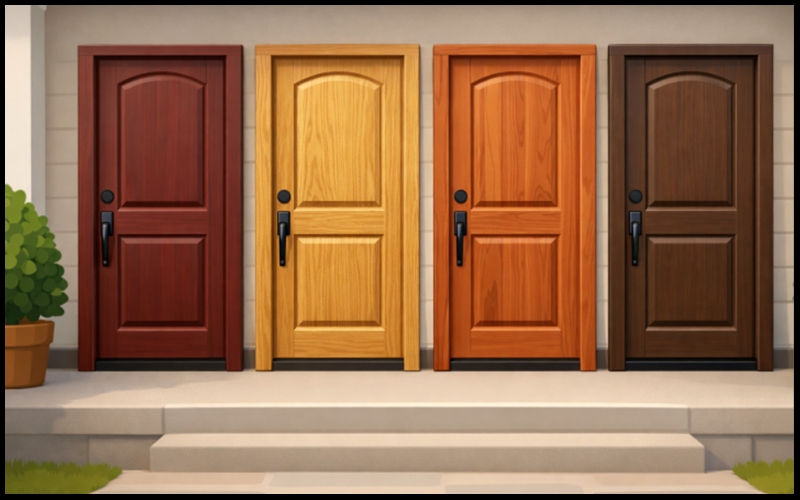
Choosing the right wood for your exterior door balances beauty, security, and longevity. Mahogany, oak, cedar, and walnut all bring unique benefits suitable for a range of architectural styles and climates. With strategic care, your wood door can remain a stunning and sturdy feature of your home for years. Remember, investing time in selecting and maintaining the wood will pay dividends in curb appeal and durability.
Ultimately, your exterior door is more than just an entry point; it’s a statement about your priorities and personal style. Well-chosen and properly maintained wood doors can enhance your home’s value, reduce long-term maintenance costs, and create a welcoming atmosphere for years to come. Take time to select the wood best suited for your location and preferences, and your choice will reward you with lasting elegance and security.

Jack Ayzal is the lead editor of Trending Magazine. He focuses on practical home improvement, real-estate decisions, and local service guidance. For the past eight years he has researched contractor practices, spoken with homeowners and tradespeople, and tracked how local rules and market conditions affect everyday projects. His aim is to give readers clear, usable information they can act on without sales pressure.