
Key Takeaways
- Each binding method brings distinct advantages in terms of cost, durability, flexibility, and appearance.
- Project requirements, such as page count, intended use, and budget, are crucial factors in selecting a binding method.
- Expert advice can help you navigate the options and produce a print project that meets your goals.
Choosing the best method for binding your printed materials plays a significant role in determining not just how long your project will last but also its functionality and visual impact. Businesses looking for superior presentation and durability often prefer durable perfect bound books for business, but there are a variety of other binding styles to consider depending on the project’s needs.
Whether you are producing marketing brochures, manuals, corporate reports, or high-end publications, the choice of binding can influence both the user experience and the perception of quality. Considering your options ahead of time lets you match the binding method to the document’s intended use, longevity, and aesthetic requirements.
This guide explores the benefits and applications of each binding method, helping you make an informed decision for your upcoming print project. From cost-effective options to those that make a lasting impression, understanding your choices is essential to achieving a professional final product.
If you are new to selecting print options, consulting knowledgeable print professionals can provide tailored solutions suited to your unique specifications and business goals. They see projects like yours every day and can suggest the best combinations of materials, finishes, and binding styles. Furthermore, specialized advice may take into account details like the heaviness of paper stock, custom finishes, or additional elements such as inserts or tabs, all of which contribute to a standout product that performs well in everyday use.
Perfect Binding
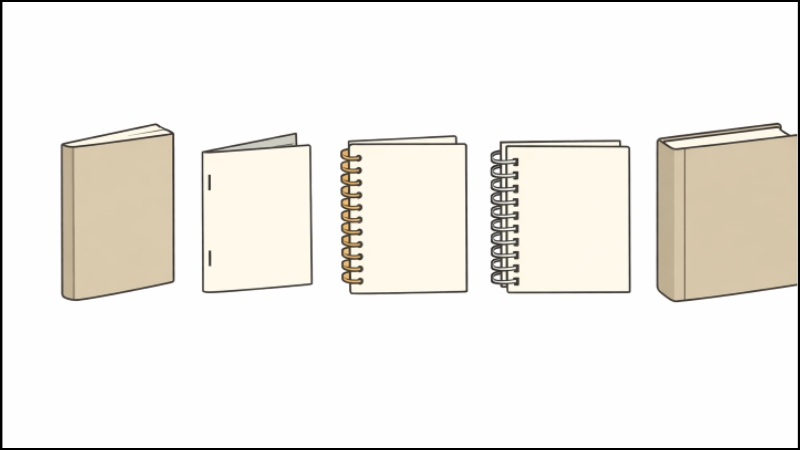
Perfect binding is a widely used method for producing softcover books, annual reports, and magazines with a professional finish. This technique involves gluing the pages and a cover together at the spine, creating a crisp edge and flat profile. Perfect binding is particularly well-suited for documents with a medium to high page count, typically starting at around 40 pages. Its sleek finish makes it a favorite for businesses and organizations that want to convey quality while keeping production costs and lead times manageable. Many creative industries also appreciate that perfect binding provides a printable spine, allowing for branding and titles to be displayed on a bookshelf.
Saddle Stitch Binding
Saddle stitch binding is one of the most affordable ways to bind smaller documents. Folded sheets are nested inside each other and stapled along the spine fold line, making this method ideal for booklets, event programs, zines, and slim magazines. Saddle-stitched documents can lie relatively flat when opened, making them easy to handle and read. However, this technique is best for projects up to about 64 pages, as thicker booklets can start to spring open or lose their shape. When timelines are short, saddle stitch is also great for quick turnaround projects because of its simple production process.
Spiral and Wire-O Binding
Spiral binding uses a plastic or metal coil threaded through holes along the binding edge, allowing the document to open completely flat or even fold back on itself. Wire-O binding is a similar technique that uses a series of double loops of wire, resulting in a more refined appearance. Both options are excellent for workbooks, instructional manuals, annual calendars, and notebooks, where end users benefit from easy page turning and the ability to make notes while the pages stay flat. Wire-O binding, in particular, is favored for presentations or reference materials where aesthetics are important. These binding methods are ideal when custom dividers or index tabs are required, offering even greater organizational flexibility for frequent users.
Case Binding (Hardcover)
Case binding, also known as hardcover binding, involves sewing the text pages into sections and then attaching them to a thick, protective cover. This method delivers the highest level of durability and is typically reserved for premium projects, including coffee table books, archival materials, and special editions. With case-bound materials, your publication will not only look impressive but also withstand heavy use over time. This makes it a preferred choice for items intended for long-term preservation or display. Libraries and collectors tend to favor hardcover options for pieces that are handled frequently but need to maintain their integrity and appearance for years to come.
Comb Binding
Comb binding utilizes a plastic spine with flexible teeth that insert through rectangular holes punched along the page edge. This process allows you to add or remove pages as necessary, making it highly versatile for training binders, reference books, and manuals that need updating. While not as visually striking as some alternatives, comb binding is practical for business and educational purposes thanks to its cost-effectiveness and reusability. It is a time-tested solution for documents that require regular revisions and is available in a wide range of colors and sizes to suit your branding or organizational needs.
Choosing the Right Binding for Your Project
Selecting the most suitable binding method depends on a mix of practical and visual considerations. Key factors include:
- Page Count:High page counts may require sturdy binding, such as perfect or case binding, while thinner projects work well with comb or saddle stitch.
- Purpose:For materials like training guides or recipe books, lay-flat solutions such as spiral or Wire-O binding are best. For high-impact presentations or publications meant to impress, case and perfect binding are more appropriate.
- Budget:If cost control is a priority, saddle stitch or comb binding are economical choices. Case binding tends to require a higher investment but delivers longevity and an upscale presentation.
- Durability:Consider how often the publication will be handled. Heavily used documents will benefit from sturdy spiral, Wire-O, or hardcover binding, while one-time event programs can be saddle stitched.
Always assess your printed project’s needs before committing to a binding style, as the right choice influences everything from usability to longevity. For additional guidance and industry insights, consult resources like WhatTheyThink to stay up to date on the latest binding innovations and tips.
Conclusion
Understanding the strengths and trade-offs of each binding method empowers you to produce professional-grade printed products that align with your needs and audience expectations. Factor in the publication’s intended use, handling frequency, presentation goals, and available budget when making your selection. By working with experienced print professionals and drawing on up-to-date industry resources, you can ensure your finished pieces are both attractive and built to last. When executed thoughtfully, binding provides a finishing touch that not only supports the structure of your project but also enhances its perceived value and importance to your audience.

Jack Ayzal is the lead editor of Trending Magazine. He focuses on practical home improvement, real-estate decisions, and local service guidance. For the past eight years he has researched contractor practices, spoken with homeowners and tradespeople, and tracked how local rules and market conditions affect everyday projects. His aim is to give readers clear, usable information they can act on without sales pressure.