
Key Takeaways
- Choose a Santa Fe neighborhood based on your daily routine, lifestyle, and long-term plans.
- Compare communities for walkability, privacy, commute times, and access to services and recreation.
- Look beyond the purchase price by factoring in maintenance, utilities, HOA fees, and travel costs.
- Evaluate home styles carefully, including maintenance needs, utilities, and property infrastructure.
- Visit neighborhoods at different times and use consistent criteria to compare long-term fit before making a decision.
A Santa Fe home is more than four walls. The neighborhood around it influences the errands you run, the time you spend in traffic, the views outside your window, and how easily you can reach galleries, trails, restaurants, schools, and medical services. For people comparing homes for sale in Santa Fe, Ricky Allen & Tara Earley Real Estate Group offers a Santa Fe property search page with listings and neighborhood information across historic in-town areas, foothill settings, luxury communities, and acreage options. Their focus on Santa Fe real estate and local neighborhood guides can be useful when comparing property styles and lifestyle priorities across the city and nearby communities.
The best neighborhood is not always the most famous one. It is the one that supports the way you actually plan to live. A walkable adobe near the Plaza, a quiet home near the foothills, and a newer house with practical access to shopping can each be an excellent fit for different buyers.
Start With the Daily Routine
Before reviewing finishes, square footage, or views, picture an ordinary weekday. Consider how often you expect to visit downtown, whether you want to walk to coffee shops or galleries, and how comfortable you are with driving. Also think about school, work, health care, groceries, guests, pets, and outdoor activities.
- Do you prefer a compact, low-maintenance lot or several acres?
- Will a short trip to the Plaza matter more than privacy?
- Do you need space for a home office, studio, horses, or visiting family?
- Are steep roads, winter weather, or private utilities workable for you?
A short lifestyle checklist helps keep the search grounded. It can prevent a buyer from choosing a beautiful house that complicates everyday routines.
Compare Santa Fe Neighborhoods by Lifestyle
Downtown and the Historic Eastside
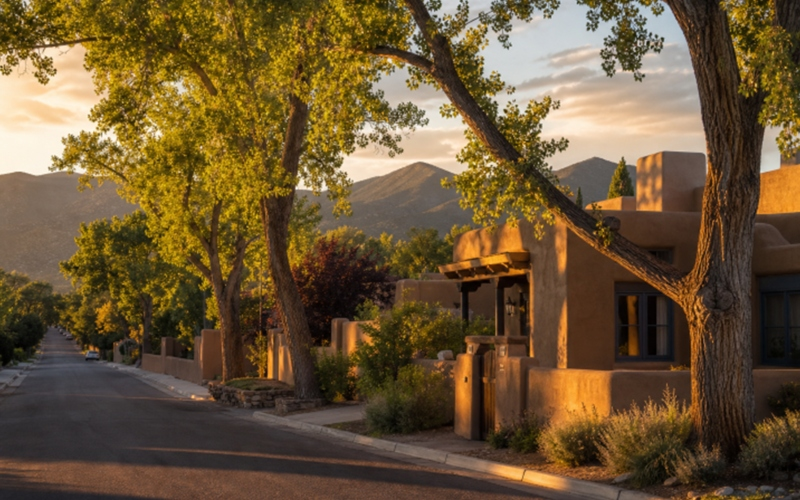
Downtown and the Historic Eastside appeal to buyers who value adobe character, mature landscaping, museums, Canyon Road galleries, restaurants, and proximity to the Plaza. Walkability varies considerably by street and terrain. Older homes deserve close attention to roofs, stucco, drainage, heating, insulation, and prior repairs.
South Capitol and Nearby In-Town Areas
South Capitol offers an established, central setting with a mix of older homes, local streets, and convenient access to downtown destinations. It suits buyers who want city access without living in the busiest, visitor-focused blocks. Compare parking, traffic patterns, lot dimensions, and the condition of individual homes, because the experience can change from one street to the next.
The Railyard, Guadalupe, and Midtown
The Railyard, Guadalupe, and Midtown areas offer a more connected urban rhythm, with art spaces, restaurants, markets, events, rail access, and a mix of residential options. The city’s cultural districts are part of what gives each area a distinct identity. Buyers should visit during both quiet and active periods to assess noise, parking, foot traffic, and event-day activity.
Foothill and Mountain-Adjacent Areas
Tesuque, Sierra del Norte, and Bishop’s Lodge areas can offer trees, views, larger lots, privacy, and easier access to a retreat-like setting. The tradeoffs may include longer drives, steep driveways, changing winter conditions, wildfire preparation, and well or septic systems. These areas often suit buyers who prioritize nature and seclusion over immediate walkability.
Las Campanas, Tano Road, and Acreage Areas
Las Campanas, Tano Road, and nearby acreage communities can appeal to buyers seeking open space, gated amenities, golf or equestrian interests, guest accommodations, and substantial privacy. Review covenants, association fees, road maintenance responsibilities, utility systems, easements, and property boundaries before making assumptions about what the land can support.
Southside, Rancho Viejo, and Expanding Areas
Southside, Rancho Viejo, and other expanding areas offer a broader range of newer construction and established homes, shopping corridors, trails, and practical services. These locations may suit buyers seeking functionality, convenience, or a more modern floor plan. Compare commute times, lot layouts, future development, nearby schools, and the services you use most often.
Match Home Style With Maintenance Expectations
Santa Fe’s adobe, Pueblo Revival, territorial, contemporary, condominium, townhome, and estate properties each create different ownership responsibilities. Character can be rewarding, but it should be matched with a realistic maintenance plan. During due diligence, buyers should:
- Review roof condition, exterior walls, stucco, and drainage.
- Ask about heating, cooling, insulation, and seasonal utility costs.
- Confirm permits and records for additions or renovations.
- Clarify whether the property uses city water and sewer, a well, or a septic system.
- Inspect private roads, retaining walls, irrigation, and outdoor structures when applicable.
Use Budget as a Filter, Not the Only Guide
Two similarly priced homes can create very different monthly commitments. Look beyond the purchase price to include property taxes, insurance, utilities, association dues, maintenance, landscaping, private road costs, and travel time. An older in-town home may offer an exceptional location but may need near-term repairs, while a larger rural property may require more ongoing exterior and systems upkeep.
Consider Culture, Access, and Community Life
Santa Fe’s appeal comes partly from how much daily life can happen close to home. Prioritize the access that matters most to you, whether that means farmers’ markets, cafés, public spaces, trails, museums, schools, or health care. Visit prospective areas in the morning, afternoon, and evening. A second visit can reveal traffic, parking pressure, lighting, neighborhood activity, and the true feel of the route home.
A Simple Neighborhood Comparison Method
- List three non-negotiables.Examples include walkability, privacy, newer construction, or a short commute.
- Choose three to five areas.Too many options can make meaningful comparisons difficult.
- Tour each area twice.Include one daytime visit and one evening visit.
- Evaluate the setting, not only the house.Notice roads, neighboring lots, views, services, and activity levels.
- Score long-term fit.Compare lifestyle, cost, upkeep, access, and future plans.

Jack Ayzal is the lead editor of Trending Magazine. He focuses on practical home improvement, real-estate decisions, and local service guidance. For the past eight years he has researched contractor practices, spoken with homeowners and tradespeople, and tracked how local rules and market conditions affect everyday projects. His aim is to give readers clear, usable information they can act on without sales pressure.