
Key Takeaways
- Understand local regulations and secure necessary permits before tree removal.
- Assess tree health to determine whether removal is truly needed.
- Work with licensed professionals for safety and compliance.
- Consider environmental impact and alternatives to full removal.
- Plan for responsible disposal and possible repurposing of tree materials.
Tree removal is a complex process for homeowners in Lafayette, Louisiana, who must navigate unique environmental conditions and municipal requirements. Taking the right approach from the beginning not only ensures a safer process but also prevents costly mistakes and protects the neighborhood’s natural beauty. If you are searching for expert guidance or hands-on help, choosing an affordable and licensed tree removal service in Lafayette, LA can make all the difference. Hub City Tree & Preservation, based in Lafayette, specializes in everything from complex removals to precision trimming and brings over three decades of combined experience tailored to South Louisiana’s climate and community standards. The company stands out for its licensed and deep local expertise, offering property owners peace of mind that trees will be removed safely and in compliance with all local laws.
Understanding and following best practices is necessary because tree removal involves more than just cutting down and hauling away branches. For many situations, especially near property lines or public spaces, you must coordinate with city authorities and certified arborists. This process helps you avoid fines and ensures the work is performed safely, efficiently, and in full compliance with the law.
In addition to regulatory requirements, staying informed about environmental impacts and ethical disposal methods enables homeowners to contribute to regional sustainability efforts. The decisions you make today about your landscape have a lasting effect on your property and the Lafayette community.
Qualified professionals equipped with specialized gear and extensive training are best suited to assess and address each unique removal challenge. DIY solutions often increase risk, while expert crews protect your property and the surrounding area.
Understanding Local Regulations and Permits
Before you remove a tree in Lafayette, review the city’s tree ordinances, which may require obtaining permits for trees of certain species, sizes, or historical significance, particularly those located near public rights-of-way or designated green spaces. Failure to comply can result in penalties, delays, and neighborhood disputes. Consult the Lafayette Consolidated Government or discuss your plans with a local arborist to confirm which regulations apply to your property and trees.
Assessing Tree Health and Risk Factors
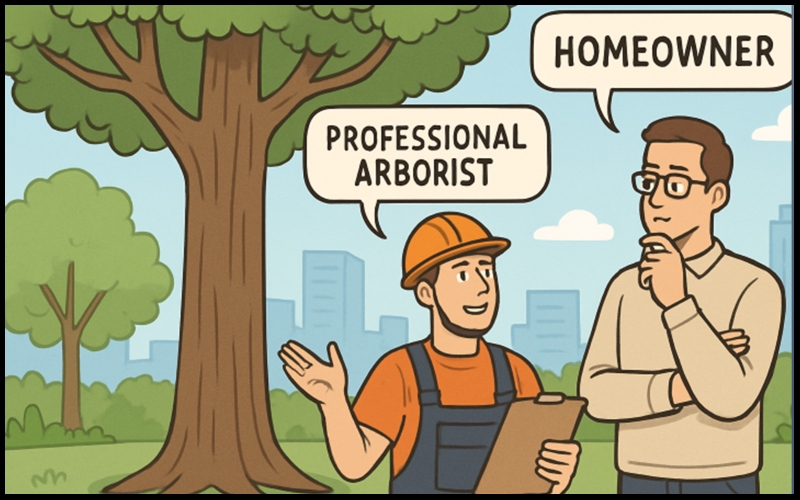
A healthy tree contributes shade, wildlife habitat, and property value, while a compromised one may threaten people and structures. Key factors requiring removal include advanced disease, substantial trunk decay, cracked limbs, and root system failure. Sometimes, trees may have grown dangerously close to utility lines or sustained storm damage that makes them unstable. In such cases, timely assessment and response are critical for preventing accidents and property damage. Certified arborists can provide expert assessments, ensuring you only remove trees when no viable alternatives are available.
Hiring Qualified Professionals
Removing trees safely is a task for licensed specialists. Choosing an experienced team ensures that proper techniques, tools, and protocols are followed throughout the process. Hub City Tree & Preservation, for example, is a leading provider in Lafayette with more than 30 years of combined experience. Their technicians understand not just how to remove trees, but how to do so while protecting your home, underground infrastructure, and the environment. They serve a wide area of South Louisiana and stand out for their commitment to both residential and commercial property owners.
Considering Environmental Impact
Tree removal influences soil stability, drainage, urban wildlife, and neighborhood green space. When possible, consider alternatives such as structural supports, cabling, or targeted pruning instead of complete removal. If removal cannot be avoided, discuss with your contractor the best approaches to offset any loss, such as replanting native species or developing a site-specific restoration plan. This proactive approach benefits both your property and the local ecosystem.
Proper Disposal and Repurposing
Removal generates large volumes of wood and green waste. Lafayette offers municipal debris collection services, particularly after severe weather, though homeowners are responsible for following local guidelines on waste separation and curb placement. Whenever possible, opt to repurpose wood for mulch, compost, or community gardens. These practices minimize landfill use and help enrich gardens or playgrounds with natural materials.
Safety Precautions During Removal
Every removal should follow strict safety standards to prevent injuries and accidental property damage. Experienced crews cordon off the area, wear protective gear, and operate machinery such as chainsaws and bucket trucks in accordance with national industry protocols. Residents, pets, and bystanders should stay well out of the work zone until the process is complete. Attempting tree removal without professional training or equipment dramatically increases the chance of harm. Trusted experts help mitigate these risks for everyone involved.
Post-Removal Site Restoration
Once a tree is gone, your landscape may require restorative efforts to regain its function and aesthetic value. This often means grinding down the stump, amending the soil to promote healthy regrowth, or planning new plantings to prevent erosion and maintain greenery. Collaborate with your chosen tree service to develop a customized restoration plan that aligns with your short- and long-term landscape goals. Restoring the site promptly supports improved property value and neighborhood appeal.
Frequently Asked Questions
Do I need a permit to remove a tree on my property in Lafayette?
Depending on the tree’s type, size, and location, Lafayette may require a permit before removal. It’s best to check with municipal offices or a professional arborist for guidance.
How can I tell if a tree needs to be removed?
Indicators include major trunk rot, serious fungal infections, hollowed sections, or limbs that risk falling. When in doubt, schedule an inspection with a certified arborist to assess the situation.
What should I look for when hiring a tree removal service?
Prioritize firms with local licensing, comprehensive positive community reviews, and deep experience handling trees common to South Louisiana.
Can removed trees be recycled or repurposed?
Yes, much of the wood can be repurposed for mulch, compost, firewood, or art projects. Connecting with local recycling programs maximizes these benefits.
Are there specific times of year that are better for tree removal?
Tree removal is possible all year, though certain seasons may be preferable to minimize disruption to neighboring landscaping or wildlife. Consult professionals who understand local climate patterns for the best timing.
By adhering to Lafayette’s best practices for tree removal, homeowners protect their property, ensure community compliance, and contribute to a healthy, sustainable environment for years to come.