
Key Takeaways
- Heavy-duty diesel engines are essential for powering large vehicles and machinery in transportation and industry.
- Advancements in diesel technology have increased power and efficiency while improving compliance with stringent emission standards.
- Major manufacturers like Cummins and Detroit Diesel continue to innovate, introducing new engine models that meet evolving industry needs.
Table of Contents
- Importance of Heavy-Duty Diesel Engines
- Technological Advancements in Diesel Engines
- Meeting Emission Standards
- Major Players in the Industry
- Future of Heavy-Duty Diesel Engines
- Summary
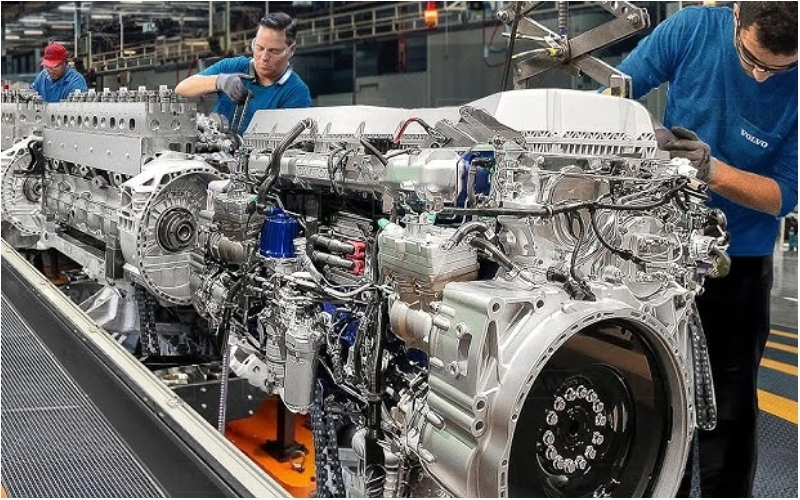
Heavy-duty diesel engines are crucial to the world’s transportation infrastructure, powering everything from big rigs to construction machinery. Renowned for their durability and reliability, these engines deliver the consistent power needed to move substantial loads over long distances and through challenging terrain. Among the most trusted options in this market is the Cummins ISM engine, a model celebrated for its performance in demanding conditions and its proven track record in commercial fleets.
The importance of heavy-duty diesel engines reaches across industries. Their unique mix of high torque, efficiency, and adaptability makes them indispensable in trucking, logistics, construction, and agriculture. As heavy loads and long hours are the norm for many businesses, engines must not only deliver high output but also stand the test of time with minimal downtime, which is why advances in diesel technology attract so much industry attention and investment.
Importance of Heavy-Duty Diesel Engines
Heavy-duty diesel engines play an unrivaled role in powering not just freight trucks but also buses, off-road machinery, and even some marine vessels. Their ability to consistently deliver high torque at low RPMs is essential for hauling heavy loads and tackling complex terrain. Diesel engines also provide notable fuel efficiency compared to gasoline alternatives.
The need for high performance and exceptional fuel efficiency makes heavy-duty diesel engines the preferred choice in sectors where the overall cost of ownership, durability, and service intervals are crucial. Additionally, their robust design enables them to withstand the punishing demands of international freight transport, where reliability directly influences the bottom line.
Technological Advancements in Diesel Engines
In the past decade, diesel engine manufacturers have made significant advancements to improve efficiency and output while meeting regulatory standards. Innovations such as variable-geometry turbochargers, advanced electronic controls, and optimized fuel injection have transformed engine performance. For instance, the 2025 Ram Heavy Duty’s 6.7-liter Cummins turbo diesel incorporates redesigned components for greater horsepower, torque, and serviceability, benefiting operators by reducing costs and enhancing uptime.
Additionally, telematics and predictive maintenance technologies enable fleet managers to monitor engine health in real time, reducing breakdowns and improving efficiency. These innovations help heavy-duty diesel operators balance modern logistics demands with environmental responsibilities by optimizing performance and reducing emissions.
Meeting Emission Standards
One of the most significant forces driving technological advancement in heavy-duty diesel engines is the tightening of worldwide emission standards. In the United States, the Environmental Protection Agency’s 2027 standards call for deep reductions in nitrogen oxide (NOx) and particulate emissions. This regulatory landscape demands significant engineering, including dual-stage selective catalytic reduction (SCR), advanced aftertreatment systems, and improvements to diesel exhaust fluid (DEF) delivery. Detroit Diesel, for example, has responded with its sixth-generation engine portfolio, implementing new dual-stage SCR and optimized combustion paths to ensure compliance without sacrificing performance.
The ability of leading manufacturers to swiftly adapt to these requirements ensures the continued viability of diesel engines in both commercial and municipal applications. Efforts are constantly underway to minimize the environmental impact of these powertrains, signaling an industry committed to responsible innovation.
Major Players in the Industry
Leadership in the heavy-duty diesel engine industry is dominated by a few key manufacturers recognized for their innovation and service. Cummins is notable for its durable engines and collaborative efforts with truck manufacturers such as Ram, emphasizing efficiency and reliability in its 6.7-liter turbo-diesel models. Similarly, Detroit Diesel, a division of Daimler Truck North America, produces the DD13, DD15, and DD16 engines, all of which align with sustainability and efficiency goals. These companies set industry standards through collaboration and feedback from global fleets, ensuring access to advanced technology suitable for a variety of operating conditions.
Future of Heavy-Duty Diesel Engines
The future of heavy-duty diesel engines aims to balance high performance with environmental responsibility. Ongoing research and development are driving innovations such as electric heating for aftertreatment systems and advanced fuel injection technologies for cleaner combustion. As alternative drivetrains emerge, diesel engines are increasingly being integrated with hybrid systems to enhance efficiency.
Despite the growing trend of electrification in heavy-duty transport, diesel engines will continue to play a vital role due to current limitations in battery technology and the demands of global logistics. They will remain a powerful and adaptable option in the economy, becoming progressively cleaner as industry needs evolve.
Summary
Heavy-duty diesel are more than just a mainstay of transport; they are foundational to commerce, construction, and logistics worldwide. Through continuous innovation and dedication to environmental responsibility, these engines will support the world’s movement of goods and services for years to come.

Jack Ayzal is the lead editor of Trending Magazine. He focuses on practical home improvement, real-estate decisions, and local service guidance. For the past eight years he has researched contractor practices, spoken with homeowners and tradespeople, and tracked how local rules and market conditions affect everyday projects. His aim is to give readers clear, usable information they can act on without sales pressure.