
Short Answer
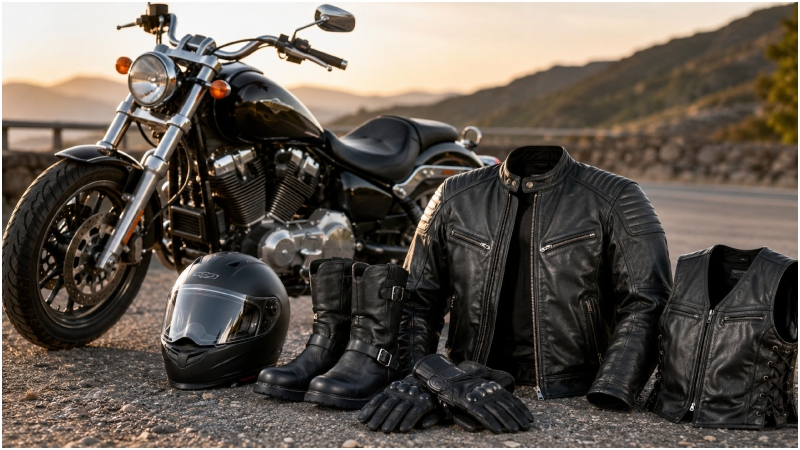
A complete riding setup should include a DOT-approved helmet, protective jacket, riding vest, gloves, chaps or riding pants, motorcycle boots, body armor, rain gear, eye protection, and storage accessories. The right gear depends on your riding style, weather, distance, comfort needs, and the level of coverage you want on the road.
Gear Up for the Ride You Actually Take
Every ride is different. A short cruise across town does not need the exact same setup as a long highway route, a rally weekend, or a cold morning ride. Still, every rider should have a reliable gear checklist before getting on the bike.
The goal is not to wear the most gear possible. The goal is to wear the right gear for the ride. Good gear helps with comfort, visibility, weather, storage, grip, and coverage. It also helps riders feel more confident because they are not dealing with cold hands, loose boots, poor storage, or the wrong jacket halfway through the trip.
A complete checklist makes riding simpler. You know what to grab, what to inspect, and what to upgrade before the next ride.
Helmet
A helmet is one of the most important items in any riding setup. Riders should choose a helmet that fits properly, stays secure, and meets the required road-use standards in their area.
For U.S. riders, many look for DOT-approved helmets. A DOT label shows the helmet is made to meet the U.S. Department of Transportation’s motorcycle helmet safety standard. Riders should still check the fit, chin strap, shell condition, visor, liner, and comfort before wearing it.
Check before riding:
- DOT label on the rear of the helmet
- Secure chin strap
- Comfortable snug fit
- Clear visor or eye opening
- No cracks or deep shell damage
- Clean interior liner
- Stable fit when moving your head
- Good visibility
A helmet should not feel loose, painful, or unstable. If it shifts too much while riding, it is not the right fit.
Motorcycle Jacket
A motorcycle jacket gives riders upper-body coverage, wind control, comfort, and style. Depending on the design, it may also include armor pockets, reinforced areas, ventilation, lining, and secure closures.
Common jacket types include:
- Leather motorcycle jackets
- Textile jackets
- Mesh jackets
- Touring jackets
- Cruiser jackets
- Hooded jackets
- Armored jackets
- Perforated leather jackets
The right jacket depends on the weather and riding style. Leather is popular for classic biker style and durable structure. Textile can be practical for mixed conditions. Mesh can help with airflow in warm weather.
A good jacket should fit properly in riding position. Sleeves should reach the wrists when arms are extended, shoulders should allow movement, and the waist should stay secure without pulling.
Riding Vest
A vest is useful for riders who want comfort, storage, airflow, patch space, and classic biker style. It does not replace a full jacket for upper-body coverage, but it can be a strong part of a rider’s wardrobe.
A riding vest can be worn over:
- T-shirts
- Flannels
- Hoodies
- Riding shirts
- Lightweight jackets
- Base layers
Leather vests are popular for cruiser and club riders. Denim vests work well for casual styling and patches. Mesh and textile vests can be useful in warmer weather.
When choosing a vest, check the fit, side adjustment, lining, pocket layout, patch space, closure style, and seated comfort. The vest should not flap excessively or restrict movement.
Gloves
Gloves protect the hands from wind, weather, grip fatigue, and road exposure. They also help riders maintain better control of the throttle, clutch, and brake.
Different gloves work better in different seasons.
Summer gloves should feel breathable and flexible. Winter gloves should provide warmth and wind control. All-weather gloves should balance comfort, grip, coverage, and durability.
Check for:
- Secure wrist closure
- Good palm grip
- Comfortable finger movement
- Reinforced palm
- Knuckle or finger protection
- Seasonal lining
- Proper fit
- No bunching in the palm
Gloves should fit snugly, but not so tight that they reduce circulation. Loose gloves can shift while riding, and overly bulky gloves can make controls harder to use.
Chaps or Riding Pants
Lower-body gear is easy to overlook, but legs need comfort and coverage too. Wind, road debris, engine heat, and cold air can affect the ride quickly.
Leather chaps are popular because they can be worn over jeans. They offer classic biker style, wind coverage, and easy removal after the ride. Riding pants usually offer fuller lower-body coverage and may include reinforced areas or armor pockets depending on the design.
Chaps may be better for:
- Cruiser riding
- Cool-weather rides
- Wind protection
- Layering over jeans
- Classic biker style
Riding pants may be better for:
- Fuller coverage
- Touring
- Commuting
- Mixed weather
- Riders who want dedicated lower-body gear
Fit matters with both. Chaps should not twist, drag, or flap too much. Riding pants should feel comfortable while seated and allow natural leg movement.
Motorcycle Boots
Boots do more than complete the outfit. They help riders grip the ground, shift gears, support the ankle, and stay comfortable during stops and long rides.
Motorcycle boots should feel stable and structured. Regular fashion boots may look rugged, but they are not always built for riding needs.
Look for:
- Strong leather or durable material
- Ankle support
- Secure sole grip
- Stable heel
- Comfortable toe box
- Shifter-friendly toe area
- Secure closure
- Durable stitching
- Good fit with chaps or pants
A good boot should not slip easily, feel loose around the ankle, or make shifting uncomfortable. Riders who stop often, ride in traffic, or handle heavier bikes should pay close attention to sole grip and support.
Body Armor
Body armor adds impact-focused protection to key areas. Some jackets and pants include armor pockets, while other riders use separate armor pieces or armored base layers.
Common armor areas include:
- Back
- Shoulders
- Elbows
- Chest
- Knees
- Hips
CE-rated armor is often used in motorcycle gear. CE Level 1 and CE Level 2 armor refer to different levels of tested impact absorption, with Level 2 generally offering higher impact protection.
Body armor should stay aligned while riding. If gear is too loose, armor may shift out of place. If gear is too tight, armor may press uncomfortably.
Eye Protection
Eye protection is important even if the ride is short. Wind, dust, bugs, sunlight, and road debris can distract riders quickly.
Depending on helmet style, eye protection may include:
- Helmet visor
- Riding glasses
- Sunglasses
- Goggles
- Clear night lenses
- Tinted daytime lenses
Clear visibility matters in every condition. Dark lenses may work during the day but can be unsafe at night. Scratched lenses or foggy visors can reduce visibility and make riding uncomfortable.
Before riding, check that your visor or glasses are clean, secure, and suitable for the time of day.
Rain Gear
Weather can change quickly, especially on longer rides. Rain gear helps riders stay dry, reduce wind chill, and stay more comfortable when conditions shift.
Useful rain gear may include:
- Rain jacket
- Rain pants
- Waterproof gloves
- Waterproof boot covers
- Helmet visor treatment
- Dry storage bag
- Extra socks
- Compact rain suit
Even if rain is not expected, touring riders and rally riders should consider packing lightweight rain gear. Wet clothing can make a ride uncomfortable and distracting.
Rain gear should be easy to pack, quick to put on, and large enough to fit over normal riding layers.
Base Layers
Base layers affect comfort more than many riders realize. The right layer can help with sweat, warmth, and movement.
For warm weather, lightweight moisture-friendly shirts can help reduce discomfort. For cold weather, thermal layers can help keep body heat in without requiring an overly bulky jacket.
Useful base layers include:
- T-shirts
- Thermal shirts
- Long-sleeve riding shirts
- Moisture-friendly layers
- Lightweight hoodies
- Neck gaiters
- Socks made for riding boots
A good base layer should not bunch under the jacket or restrict movement. It should work with the rest of your gear, not fight it.
Storage and Bags
Riders often need storage for small items, tools, rain gear, documents, and personal essentials. Good storage keeps items secure and easy to access.
Common storage options include:
- Saddle bags
- Tool bags
- Sissy bar bags
- Tank bags
- Vest pockets
- Jacket pockets
- Waist bags
- Waterproof dry bags
Useful items to carry include:
- Wallet
- Phone
- Keys
- Registration
- Insurance card
- Sunglasses
- Earplugs
- Small tool kit
- Phone charger
- Rain gear
- Water bottle
- Extra gloves
Loose items should be secured before the ride. Anything that can fall out, flap, or distract the rider should be stored properly.
Cold-Weather Gear
Cold weather can make riding difficult if the rider is not prepared. Wind chill can affect hands, chest, neck, legs, and feet faster than expected.
Cold-weather gear may include:
- Lined leather jacket
- Thermal base layer
- Winter gloves
- Neck warmer
- Leather chaps
- Warmer socks
- Taller boots
- Wind-resistant layers
- Full-face helmet
- Extra liner
Layering is the key. One heavy item is not always better than several well-chosen layers. Make sure layers do not restrict movement or make gear too tight.
Warm-Weather Gear
Hot weather requires airflow and comfort. Riders still need coverage, but heavy gear can become uncomfortable in high heat.
Warm-weather gear may include:
- Mesh jacket
- Perforated leather jacket
- Denim vest
- Mesh or textile vest
- Summer gloves
- Lightweight base layer
- Breathable socks
- Ventilated helmet
- Sunglasses or tinted visor
- Hydration storage
The goal is to stay cool without ignoring basic coverage and control. Choose gear that supports airflow while still feeling secure.
Rally and Long-Ride Essentials
For rallies, road trips, and long-distance rides, riders should think beyond clothing. Comfort and preparation matter more when you are away from home.
Useful long-ride items include:
- Extra gloves
- Rain gear
- Tool kit
- Tire pressure gauge
- Phone charger
- Sunglasses
- Clear visor or lenses
- Water bottle
- Snacks
- Extra socks
- Basic first aid items
- Microfiber cloth
- Compact storage bag
- Earplugs
Long rides make small problems bigger. A missing glove liner, uncomfortable boot, or poor storage setup can become annoying after several hours.
Pre-Ride Gear Check
Before every ride, do a quick gear check. This only takes a few minutes and can prevent problems later.
Check:
- Helmet fit and strap
- Jacket zipper and pockets
- Gloves fit and closure
- Vest snaps or zipper
- Chaps or pants closure
- Boot grip and laces
- Visor or glasses
- Rain gear if needed
- Pockets and storage
- Phone and documents
- Weather forecast
- Layering comfort
A checklist is especially useful before long rides, group rides, rallies, or trips in changing weather.
Gear Checklist by Riding Style
Different riders may need slightly different setups.
Cruiser Riders
Cruiser riders often prefer leather jackets, leather vests, chaps, boots, gloves, and classic helmet styles. Comfort, style, and wind protection usually matter most.
Touring Riders
Touring riders need gear that works for long hours. Jackets with pockets, rain gear, comfortable gloves, supportive boots, and storage bags are important.
City Riders
City riders need flexible gloves, comfortable boots, easy layers, secure pockets, and gear that works in stop-and-go traffic.
Summer Riders
Summer riders should focus on airflow, breathable layers, summer gloves, mesh or denim vests, and hydration.
Cold-Weather Riders
Cold-weather riders need insulation, wind control, warmer gloves, chaps or riding pants, neck coverage, and proper layering.
A complete set of motorcycle riding gear should match the ride, not just the rider’s style.
Common Gear Mistakes Riders Should Avoid
Many riders build their setup piece by piece, which is fine. But some common mistakes can make rides less comfortable or less prepared.
Avoid these mistakes:
- Wearing fashion boots instead of riding boots
- Choosing gloves that are too loose
- Ignoring lower-body coverage
- Buying a helmet only for looks
- Wearing a jacket that restricts movement
- Forgetting rain gear on long rides
- Choosing a vest with poor fit
- Overloading pockets with loose items
- Ignoring weather changes
- Not checking gear before riding
Good gear does not need to be complicated. It just needs to be chosen with the ride in mind.
What to Upgrade First
If you are building your gear setup slowly, start with the essentials.
A smart upgrade order may be:
- Helmet
- Gloves
- Jacket
- Boots
- Lower-body coverage
- Body armor
- Rain gear
- Storage
- Seasonal layers
- Extra accessories
Your first priority should be the gear that affects safety, control, and comfort the most. After that, build around your riding style and weather.
FAQs
What gear should every motorcycle rider have?
Every rider should consider a helmet, jacket, gloves, boots, eye protection, and lower-body coverage such as chaps or riding pants. Body armor, rain gear, and storage accessories can also improve comfort and preparation.
Do I need both a vest and a jacket?
Not always, but many riders use both. A jacket offers more coverage, while a vest provides airflow, patch space, storage, and classic biker style. The right choice depends on weather and riding style.
Are motorcycle boots necessary?
Motorcycle boots are recommended because they offer better grip, ankle support, shifting comfort, and riding-focused structure than many regular boots.
What gloves are best for riding?
The best gloves depend on the season. Summer gloves should breathe well, winter gloves should keep hands warmer, and all-weather gloves should balance comfort, grip, and coverage.
Are chaps better than riding pants?
Chaps are good for wind protection and layering over jeans, while riding pants usually offer fuller lower-body coverage. The better option depends on comfort, weather, and riding needs.
What should I carry on a long motorcycle ride?
For long rides, carry rain gear, extra gloves, phone charger, documents, water, basic tools, extra socks, sunglasses, and storage for personal items.
How do I choose motorcycle gear for summer?
Choose breathable layers, mesh or ventilated jackets, denim or mesh vests, summer gloves, comfortable boots, and eye protection. Focus on airflow while keeping basic coverage.
Conclusion
A complete riding setup should cover comfort, control, coverage, weather, storage, and personal riding style. Start with the essentials, then build around the rides you actually take. Daniel Smart MFG offers jackets, vests, gloves, chaps, helmets, boots, body armor, bags, and custom gear options for riders who want their motorcycle riding gear to feel ready from the first mile to the last stop.

Jack Ayzal is the lead editor of Trending Magazine. He focuses on practical home improvement, real-estate decisions, and local service guidance. For the past eight years he has researched contractor practices, spoken with homeowners and tradespeople, and tracked how local rules and market conditions affect everyday projects. His aim is to give readers clear, usable information they can act on without sales pressure.