
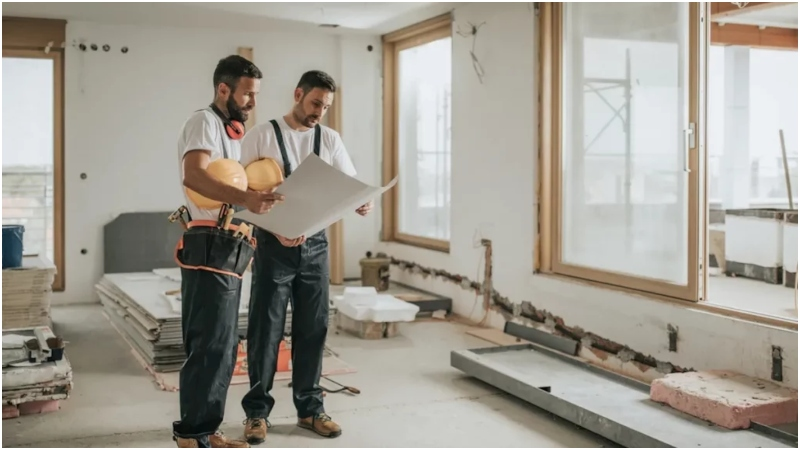
Preparing Investment Properties for Renovation and Resale Preparing an investment property for renovation and resale involves more than identifying a promising purchase and completing cosmetic upgrades. The process begins with clearing, assessing, and organizing the space so that construction work can proceed efficiently. For home investors, early-stage preparation often determines how smoothly a project unfolds and how quickly the property can return to market. A structured approach to cleanup, planning, and coordination helps reduce delays and supports more predictable renovation outcomes.
Evaluating the Property Before Work Begins
Before any renovation activity starts, investors typically assess the property’s condition in detail. This includes identifying outdated features, structural concerns, and materials that will need to be removed. Older properties, in particular, may contain a mix of worn finishes, damaged fixtures, and accumulated belongings left behind. This evaluation phase helps define the scope of work and provides a clearer picture of the debris that will be generated during initial cleanup and demolition. Understanding the starting condition of the property allows for more accurate planning across all phases of the project.
Clearing Out Existing Materials and Contents
One of the first major steps in preparing an investment property is a full cleanout. This may involve removing furniture, appliances, flooring, cabinetry, and other materials that are no longer usable. In some cases, properties may require significant clearing due to neglect or long-term vacancy. Cleanouts generate large volumes of debris quickly, making it important to have a plan in place before work begins. Removing materials efficiently helps create a clean slate for renovation crews and reduces the time spent managing clutter during later phases. A thorough cleanout also makes it easier to inspect underlying structural elements.
Establishing a Disposal Strategy Early
Waste management is often one of the most overlooked aspects of property preparation. Without a clear disposal plan, debris can accumulate inside the home or across the property, slowing progress and creating safety concerns. Temporary waste solutions are commonly used during this stage to provide centralized disposal. Investors working on renovation projects may coordinate with providers such as Temporary Dumpster alongside local services to ensure debris can be removed as it is generated. Planning disposal early helps maintain organization and prevents delays once renovation work begins.
Creating Efficient Workflows for Renovation Crews
Once the property has been cleared, organizing the workspace becomes a priority. Contractors need clear access to perform demolition, repairs, and installation tasks without interference from leftover materials. Establishing defined pathways for moving debris out of the home and designating areas for tools and materials helps streamline operations. Efficient workflows reduce the need for rehandling materials and allowing crews to focus on completing their work. This level of organization is especially important on projects with tight timelines.
Coordinating Renovation Phases
Preparing an investment property involves multiple stages, including demolition, structural work, system upgrades, and finishing. Each phase produces its own type of debris and requires coordination to keep the project moving. Clearing debris at the end of each stage helps prepare the space for the next phase and reduces the risk of delays. For example, removing demolition waste promptly allows framing or installation work to begin without obstruction. Coordinated cleanup supports a smoother transition between phases.
Managing Costs and Timelines
Efficiency in the preparation stage has a direct impact on overall project costs. Delays caused by clutter, disorganization, or inadequate disposal can extend timelines and increase labor expenses. By planning cleanup and waste removal alongside renovation tasks, investors can maintain better control over both schedule and budget. Keeping the site organized also reduces the likelihood of unexpected setbacks that require additional time or resources. Careful planning at the beginning helps protect the project’s financial goals.
Preparing the Property for Market Readiness
As renovation work progresses, maintaining a clean and organized site contributes to the final presentation of the property. Once construction is complete, final cleanup ensures the home is ready for staging, inspections, and showings. A well-prepared property not only looks more appealing to potential buyers but also reflects the level of care and attention invested in the renovation process. This final stage is critical for maximizing resale potential. Preparing investment properties for renovation and resale requires a structured approach that begins with thorough cleanup and careful planning.
From initial evaluation to final presentation, each step plays a role in determining how efficiently the project progresses. By establishing a clear disposal strategy, coordinating renovation phases, and maintaining organized workspaces, home investors can streamline the preparation process and position their properties for successful resale outcomes.

Jack Ayzal is the lead editor of Trending Magazine. He focuses on practical home improvement, real-estate decisions, and local service guidance. For the past eight years he has researched contractor practices, spoken with homeowners and tradespeople, and tracked how local rules and market conditions affect everyday projects. His aim is to give readers clear, usable information they can act on without sales pressure.